Hey, Happy Friday.
In between YouTube deep-dives on MCPs, chats with GPT about APIs, and reading Winnie the Pooh while my daughter crushes it in her new bouncer, I decided to write about email.
Yep, email. That boring marketing channel that's quietly performed since the '80s.
Over the past few weeks, I chatted with two folks building great newsletter products: Brian Morrissey (The Rebooting) and Abby Murray (StoryArb). Both sharp, both testing fresh growth plays. And both asked me the same questions:
- How do you measure newsletter performance?
- What's working for HubSpot Media?
Most brands default to logo slaps, product promos, and obvious Native Ads that readers scroll right past. But our most successful newsletter campaigns feel nothing like ads. Why? Because they nail the simple framework we've been calling:
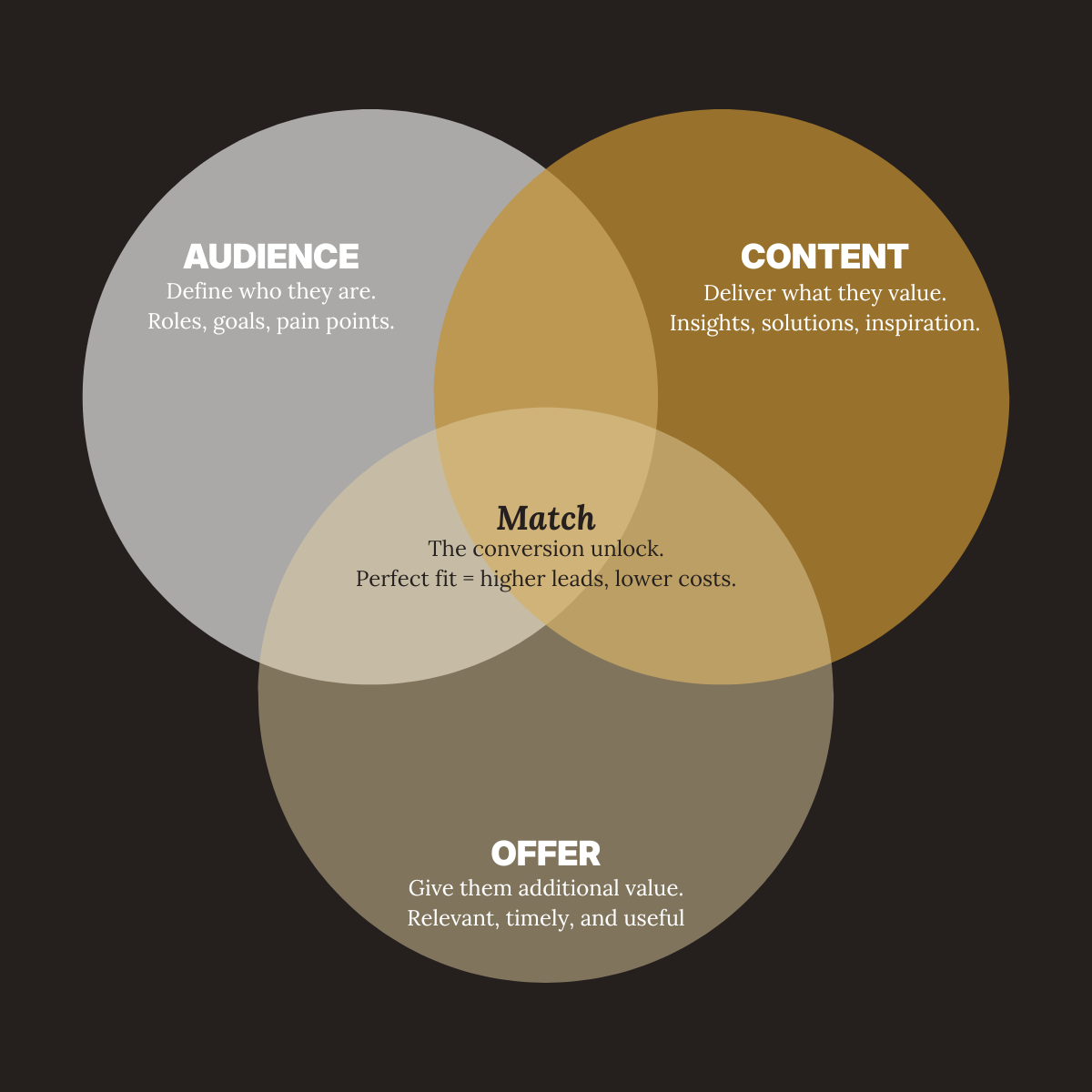
Audience > Content > Offer > Match (A.C.O.M.)
(Yes, every time I say ACOM in my head, I hear "ACOM and Young Jeezy..." You're welcome for the millennial dad jokes. iykyk.)
Here's what we've learned after running hundreds of newsletter placements across The Hustle, Mindstream, and other HubSpot Media newsletters.
Which newsletter ad placements actually perform?
1. Masthead Ad: High visibility, minimal clicks. Good for awareness, but not for driving immediate action.
2. Native Ad: Sharp design, brands (and execs) love them. But readers can smell the sell. Impressions are strong, but engagement and conversions are average.
3. Text Ad: Surprisingly effective. Usually placed in secondary spots, they naturally fit into the editorial content. Think Google Search Ads, but for newsletters. We see consistently strong CTRs and conversions.
4. Subscriber Thank You Page: The hidden gem. Right after subscribers sign up, offer immediate value: a toolkit, template, or original research. This is the highest-performance real estate we've tested.
But dropping your promo on the Thank You Page isn't enough by itself. You've got to nail A.C.O.M.
What is the A.C.O.M. formula?
- Audience: Who exactly subscribes, and what do they genuinely care about?
- Content: What's the newsletter's true value, tone, and focus?
- Offer: Give something instantly useful.
- Match: Align the offer naturally within the context of the newsletter, ensuring it fits the audience and content.
Most brands fumble the match part, dropping generic CTAs into specific contexts, then blaming the newsletter when performance flops. Honestly, boss, that's on you.
How does an AI newsletter use A.C.O.M.?
We run an incredible AI newsletter called Mindstream, and partner with great publications like Superhuman and Future Tools. Here's how we implement the framework:
- Audience: Tech founders, marketers, engineers, and PMs. Early adopters of AI trying to grow their career and company.
- Content: Headlines about the latest AI tools and models.
- Offer: A free, curated, vetted library of AI prompts, helping readers immediately apply what they're reading about.
- Match: The AI prompt library mapped directly to the context of the newsletter. Giving readers a utility.
The result? Notable increases in conversion rates, driving cost per lead under $30.
That's the power of relevance.
That's the difference between interruption and integration.
Why does email still matter for lead generation?
Newsletters won't deliver massive volume or instant revenue spikes you get from Meta ads or organic search. But newsletter contacts are highly qualified. We've consistently seen a +3% lift in Lead-to-QL rates compared to other channels. Smaller volume, high intent, more trust.
Got a smart newsletter play you think I should check out? Hit reply. I'm always looking to add something to the swipe file.
Until next time ✌️
Kyle